
Benefits of Getting Quartz and Quartzite Counters for Your Kitchen
Begin your exploration into the transformative power of quartz and quartzite counters for your kitchen. These materials are not only visually appealing but also offer high functionality, making them a popular choice among homeowners. Understanding the nuances between quartz, an engineered stone, and quartzite, a natural stone, can aid in making an informed decision. Both options have unique advantages that can significantly enhance the aesthetic and practical aspects of your kitchen space. As we dive into the specifics, you'll see why they are excellent choices for modern kitchens.
Durability and Longevity
Resistance to Scratches and Chips
The durability of kitchen countertops is a key factor in their selection. Quartz counters are known for their resilience, offering significant resistance to scratches. This resistance is attributed to the engineered nature of quartz, which combines natural quartz stone with resins and polymers, creating a hard, nonporous surface. On the other hand, quartzite, being a natural stone, is slightly more susceptible to chips, yet it is still considered durable. Choosing the right material greatly depends on your kitchen usage patterns and how much wear and tear your counters are expected to endure.
Long-lasting Performance
Both quartz and quartzite are known for their long-lasting performance. Quartz maintains its structural integrity over a period, thanks to its engineered properties that make it highly resistant to deformation and wear. Quartzite, while natural, still exhibits great longevity due to its dense composition. The length of service these materials provide makes them a sound investment for homeowners. According to Statista, a survey revealed that 39% of homeowners favored countertops made out of engineered quartz for their current or planned kitchen renovation, suggesting trust in its durability.
Impact Resistance Comparison
Impact resistance is another crucial aspect of countertop materials. Quartz offers better impact resistance due to its engineered properties, allowing it to withstand heavy kitchen impacts. Quartzite, being natural, offers solid resistance but may require additional care to avoid heavy impacts. However, both materials outperform other natural stones like marble in terms of impact resilience. Homeowners should consider their kitchen activity and choose accordingly to minimize potential damage from daily kitchen activities.
Wear and Tear in Daily Kitchen Use
In daily kitchen use, both quartz and quartzite demonstrate admirable endurance. Quartz, with its engineered construct, shows minimal signs of wear over time, retaining its initial luster for years. Quartzite, with its dense and robust nature, also withstands daily wear commendably. For families or individuals who frequently use their kitchen, these properties ensure the countertops look new for an extended period. This adds to their appeal as long-term installations in any kitchen renovation project.
Temperature Resilience
Handling temperature fluctuations is a strength for both quartz and quartzite. Quartzite, being forged from heat and pressure underground, is naturally adept at handling high temperatures. Quartz can resist heat but needs some caution as it may discolor under extreme temperatures. It's recommended to use trivets or cutting boards to prevent any heat damage. Overall, both materials provide a reliable surface resistant to common kitchen temperature changes.
Aesthetic Versatility
Wide Range of Colors and Patterns
The aesthetic versatility of kitchen countertops is crucial in design considerations. Quartz counters come in a remarkable range of colors and patterns due to the engineering process, which allows for customization beyond natural options. This variety caters to specific design preferences and can complement modern and traditional kitchen styles alike. Quartzite exhibits natural beauty with its unique and intricate vein patterns, offering an exclusive look. The diverse selection in aesthetics for both materials can satisfy various stylistic demands.
Customizable Designs to Suit Any Style
One major advantage of quartz is its ability to be customized, fitting seamlessly with any kitchen design theme, from bold colors to subtle, muted tones. Quartzite provides unique, natural patterns that appeal to those seeking authentic and timeless beauty in their kitchen. The ability to choose specific designs adds a personal touch to kitchen spaces, enhancing the homeowner's satisfaction. This customizable nature often makes quartz a preferred choice among designers and homeowners.
Mimics the Look of Natural Stone
Quartz remarkably mimics the look of natural stone while providing the benefits of an engineered composite. This beauty is achieved through specific pigmentation and processes during manufacturing, achieving an authentic stone appearance. Quartzite, being natural, offers a genuine stone look that comes with its own charm and unique characteristics. Both materials effectively bring the elegance of stone into kitchens without compromising on functionality. The choice between the two often depends on aesthetic preference and specific kitchen design goals.
Seamless Integration in Kitchen Settings
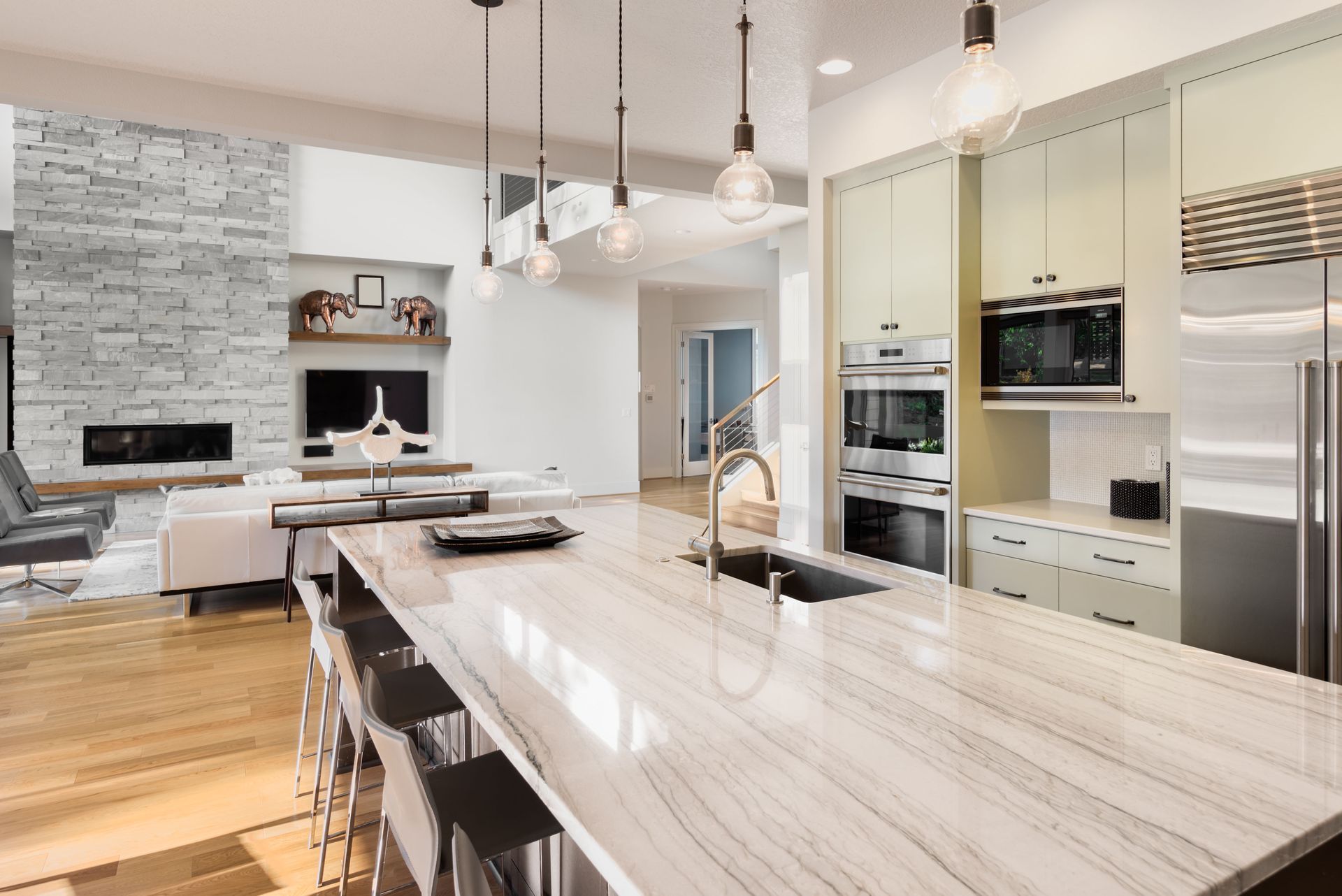
The versatility of quartz and quartzite allows for seamless integration into various kitchen settings. Quartz counters can blend effortlessly due to their availability in numerous shades and finishes, catering to specific design aesthetics. Likewise, quartzite offers a natural appeal, enhancing the beauty of kitchen spaces through its unique patterns and hues. Both can be incorporated into contemporary or traditional settings, making them dynamic choices. This flexibility in design options makes them suitable for most renovation projects.
Polished and Matte Finishes
A variety of finishes is available for both quartz and quartzite, including polished and matte options. Quartz often boasts a polished finish, providing a sleek, reflective surface that enhances light in the kitchen. Quartzite can be finished to either a high polish or a more subdued matte, depending on the desired aesthetic. These options allow homeowners to choose a finish that best captures the ambiance they desire in their kitchens. It adds another layer of versatility to the countertop selection process.
Maintenance and Care
Easy Cleaning Processes
Quartz and quartzite require minimal maintenance, contributing significantly to their appeal. Quartz is nonporous, making it resistant to bacterial growth and easy to clean with simple soap and water. This simplicity in cleaning supports hygienic maintenance, which is essential in kitchen environments. Quartzite, while requiring a bit more care, generally needs regular sealing and simple cleaning routines for upkeep. Both materials present manageable care requirements, suitable for busy lifestyles.
Stain-resistant Attributes
One of the standout features of quartz is its stain resistance due to its nonporous nature. This quality allows for spills to be cleaned easily without the fear of permanent staining, a frequent concern in kitchen settings. Quartzite, while also resistant, does benefit from periodic sealing to prevent staining. Maintaining these surfaces in pristine condition ensures their long-term beauty and functionality in kitchen spaces. This attribute is especially valued in high-traffic kitchen areas, contributing to their popularity among homeowners.
Sealant Requirements for Quartzite
Unlike quartz, quartzite requires regular sealing due to its natural stone characteristics. Sealing helps preserve the stone's look and enhances stain resistance, ensuring longevity. Homeowners should consider this maintenance aspect when choosing between quartz and quartzite. While some may view it as an extra step, others find the natural beauty and authenticity of quartzite well worth the effort. Proper sealing ensures that quartzite maintains its aesthetic appeal and functional benefits for years.
Common Mistakes in Upkeep
Despite their durability, improper maintenance of quartz and quartzite can lead to issues. One common mistake is using abrasive cleaners or pads that can dull the surface over time. For quartzite, neglecting the sealing process can lead to stains and reduce the stone's lifespan. It's important for homeowners to adhere to recommended care routines to avoid unnecessary damage. Awareness and proper maintenance practices ensure prolonged beauty and functionality of these countertop materials.
By blending beauty with functionality, quartz and quartzite countertops enhance daily kitchen use and increase property value. Their sustainability aspects align with modern environmental values, while their durability presents long-term financial savings. If you're looking for high-quality
quartz and quartzite countertops that will complement contemporary and elegant kitchen designs, reach out to Alpha Granite & Marble today!




Share On: